BID Wellbeing Series Launches with Bereavement Panel
On Thursday 12 February, 25 employees from 16 Paddington companies joined us for a very important conversation.
In response to feedback from our members on gaps in employee wellbeing provision, we facilitated a panel discussion exploring bereavement and its impact in the workplace. This event was the first in our new wellbeing series.
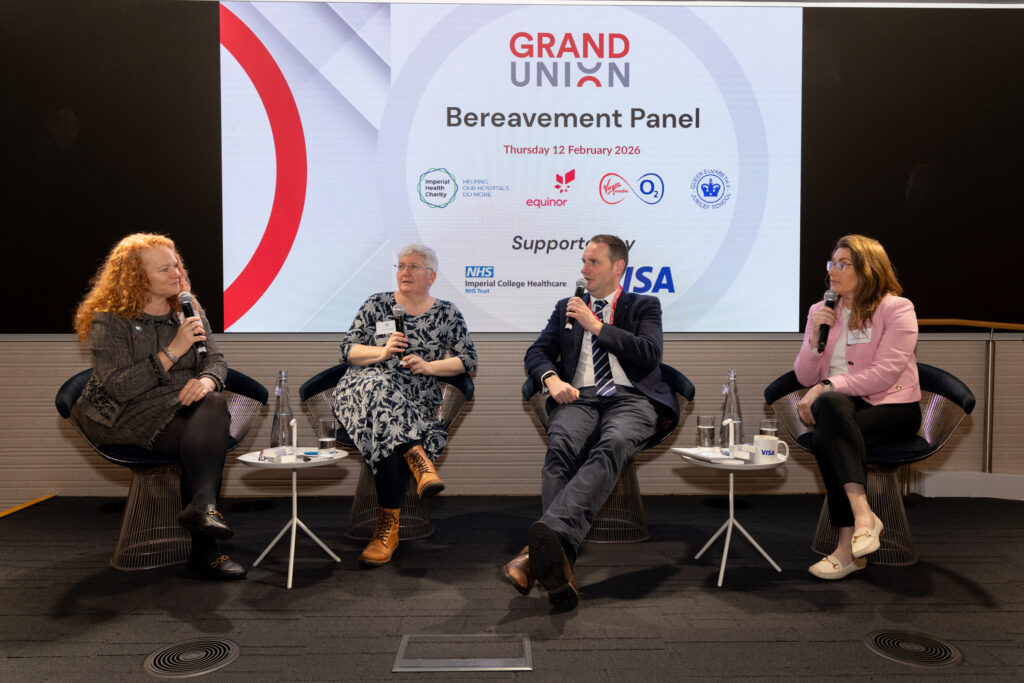
Sensitively chaired by Gail Scott-Spicer, CEO of Imperial Health Charity, the panel discussed:
- What businesses can do to ensure bereavement support lasts beyond the first few weeks
- The need to create a workplace culture where death and grief aren’t taboo topics
- The most effective ways to offer condolences and support to a bereaved colleague
- The key features of a good bereavement policy
Our panellists brought personal lived experience and shared their learnings from both corporate and community settings, giving practical examples of tools they have introduced to support bereaved colleagues.
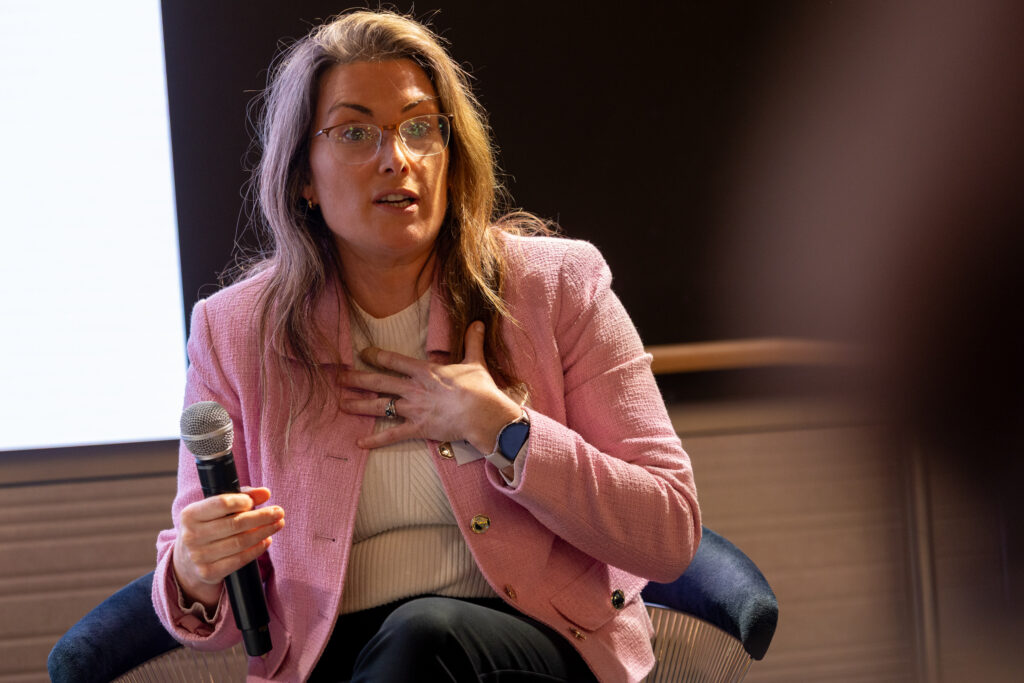
To close the discussion, Gail invited each panel member to give their message of hope for the future. It was an uplifting end to the event and we’ve shared the panels powerful words below.
The good news is that it feels like there has been a huge level of progression in this space in recent years. There is a far greater recognition at corporate level, a statutory level and a societal level of the importance of mental wellbeing across all areas, including our approach to grieving. For human resources teams, it isn’t just a question of this being a “nice to have”, we are being challenged on this by employees, prospective hires and by senior leadership. There is an awareness that simply wasn’t there even 5 to 10 years ago. How you support your employees at crucial times is increasingly recognised as a core part of our people strategy to attract and retain our staff. There is still a long way to go, but there is a clear appetite and commitment to do this better and engage with employees on how this can work.
Grief is isolating and when you’re grieving, after a few months, people stop talking to you about it and you don’t want to burden others and be the sensitive one in the group. I challenged that at work and got very brave. I shared the story of my son dying on Workplace. I talked about how it affected my mental health and asked other colleagues how they would want to be better supported by others and the company. I got over 400 responses!
My point is that it’s OK to be brave and share your story – I have made so many connections and friends at work because I was open and ‘human’. In a way this helped me on my grief journey. It allowed me to process my thoughts, listen to others and rather than feeling like a failed mum, allowed me to ‘add value’ to my company and re-build my confidence by using this feedback to create a better bereavement support.
You don’t have to suffer alone and by telling your story, you never know where it could lead in the future.
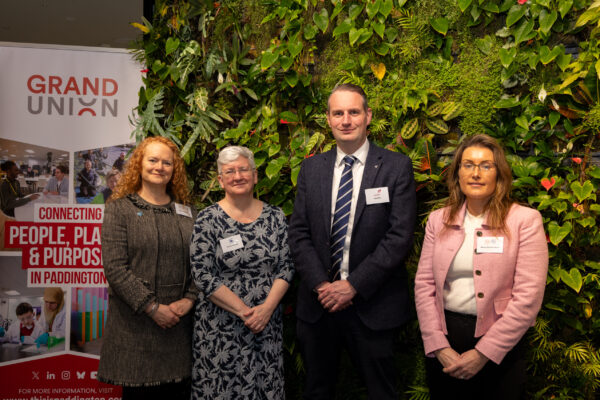

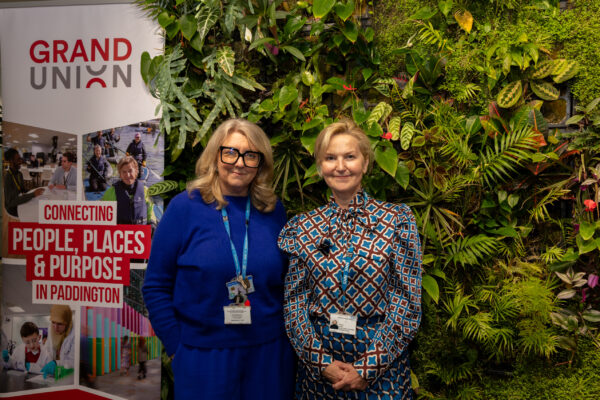
There are a lot of cliches spoken around death and grief. For me personally, something in these two quotes has always been helpful. They speak of hope, acknowledge the depth of sadness that grief can bring about and the importance of time to healing.
"If you're going through hell, keep going."
"It will be alright in the end, if it's not alright, it's not the end."
Death is part of the human condition and we have been surviving grief for many years. We need ways to help us to do that - I'd take this bereavement panel as a nugget of hope too.
Resources on bereavement and grief
Our panellists have kindly shared links to books and websites they have found useful, both personally and professionally, and we hope these will provide a useful resource for everyone who is interested in or affected by this topic.
- Grief Works – Julia Samuels. Julia has written many books on the topic of Grief. Grief Works is a book for those who are grieving and also those seeking advice on how to support the bereaved. Julia also speaks openly about grief on YouTube.
- Grief is the Thing with Feathers - Max Porter (adapted into a film in 2025 called The Thing with Feathers). The book explores the impact of a mother’s sudden death on her husband and children.
- Sad Book - Michael Rosen. An illustrated book exploring grief and grief responses.
- With The End in Mind - How to Live and Die Well - Kathryn Mannix. Kathryn writes and speaks extensively on palliative care and end of life, and the conversations people have and don't have. Kathryn has other books and podcasts available.
- The Boy, The Mole, The Fox and The Horse – Charlie Mackesey. This illustrated text captures how the more we love someone, the more pain we go through when they die.
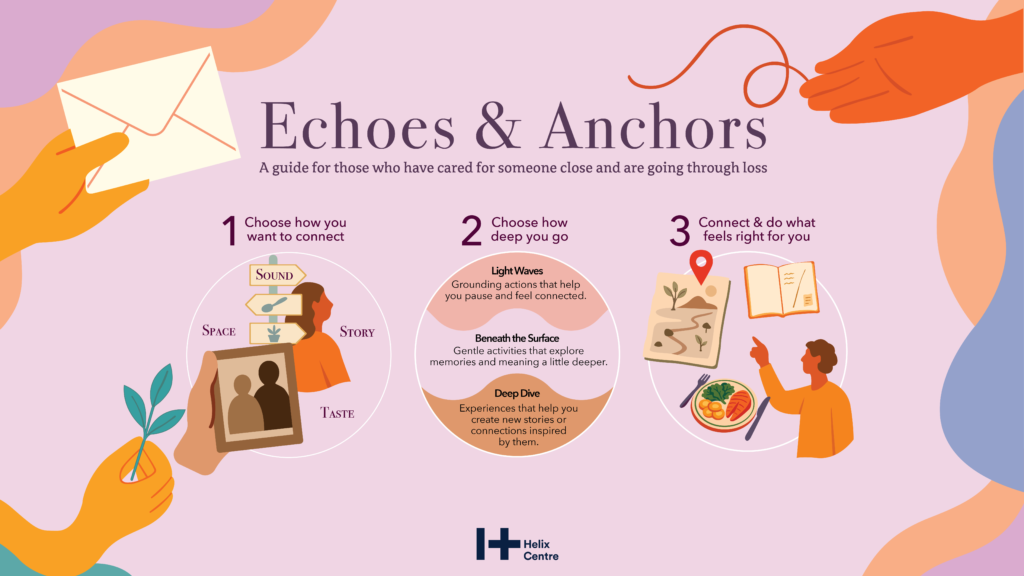
Echoes and Anchors
The Helix Centre, part of the Institute of Global Health Innovation at Imperial College, are a research lab for design and health located within St Mary’s Hospital in Paddington. They have developed a toolkit, 'Echoes and Anchors', designed to support carers navigate loss after losing a loved one. This resource was co-designed with bereaved former lay carers and palliative care teams, and aims to gently guide users through grief with practical activities and prompts, helping them stay connected to their loved ones whilst growing around grief.
The toolkit will be available to download for free in early March - register here to receive your copy as soon as it’s released.
The guide is suitable for both individuals, as well as service providers that may wish to add this resource to their existing portfolio.
It is impossible to do the topic of grief and bereavement justice in one afternoon, but we hope that our panel discussion has started the conversation.
We will draw on feedback from the post-event survey to inform future wellbeing topics, but would be delighted to hear directly from you with your thoughts on future events. Our next wellbeing session is scheduled for late Spring, with a second event around World Mental Health Day in October.
Please reach out and share your thoughts and ideas for future wellbeing sessions with us.