Tackling Digital Exclusion
Grand Union BID has launched a ground-breaking cross-company group to focus on digital exclusion in the community. The aim of the group is to map digital and data expertise among our members, their activity in the digital inclusion space and how we might innovate and develop programmes to collaborate for greater impact.
Mapping Digital Exclusion
We are working with Westminster City Council to map need, both geographically and demographically. Indications and existing work in the digital inclusion field suggest some of the areas of need include:
Social Isolation
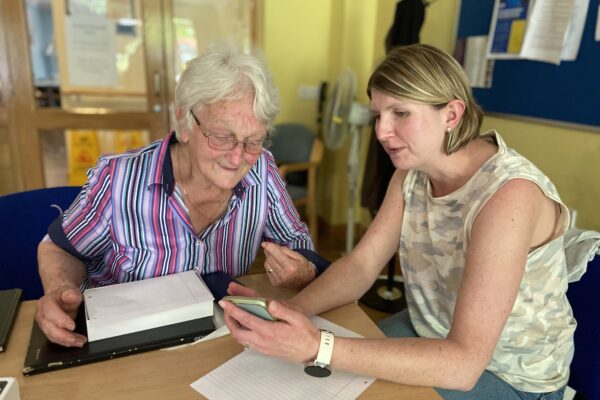
- Older People – known to face exclusion as we embrace an ever-digital world, older people can be ‘locked out’ of systems which are now digital only, like some health services and Council services. There can also be big benefits to reducing social isolation if older people are assisted with basic digital skills, connecting with family and friends more easily.
- Victims of Domestic Abuse – similar to the above but with the added need to build confidence and use technology to access public sector and financial services and secure employment.
- Adults and young adults with physical and learning disabilities – facing issues of internet safety, access to devices, adaptive settings and cyber safety.
Young People and Schools
- Teachers and schools – pupils can be one step ahead of their parents and teachers when it comes to AI and digital dexterity.
- Young people and school pupils – assisting on their journey to employment, helping them learn more about AI and its application to get ahead, on their pathway to employment.
Barriers to Employment
- Workplace Returners – helping adult jobseekers return to the workplace through MS Office programmes, help with CVs and online applications and interviews.
- Young offenders/ex-offenders - many ex-offenders have had limited access to education. For many ex-offenders who were incarcerated between 2005-present, they may have missed many key technological advancements and need help to close gaps in understanding.
- People facing language barriers – residents with limited English face big barriers accessing public sector services and in jobsearch. Volunteers with Arabic or French language skills are particularly sought by our library partners.
- Young Parents – sometimes excluded from the labour market due to childcare costs, with low-income families also impacted by broadband costs.
Local Charities
- Small Charity Partners – many of our local charities are run entirely or mostly by volunteers who do not always possess the digital skills to promote/market the charities or run events. Some needs are fairly simple, like producing a flyer or generating a QR code to advertise an event, learning how to use Eventbrite, getting to grips with basic social media or websites.
Inaugural Meeting, 29 January 2026
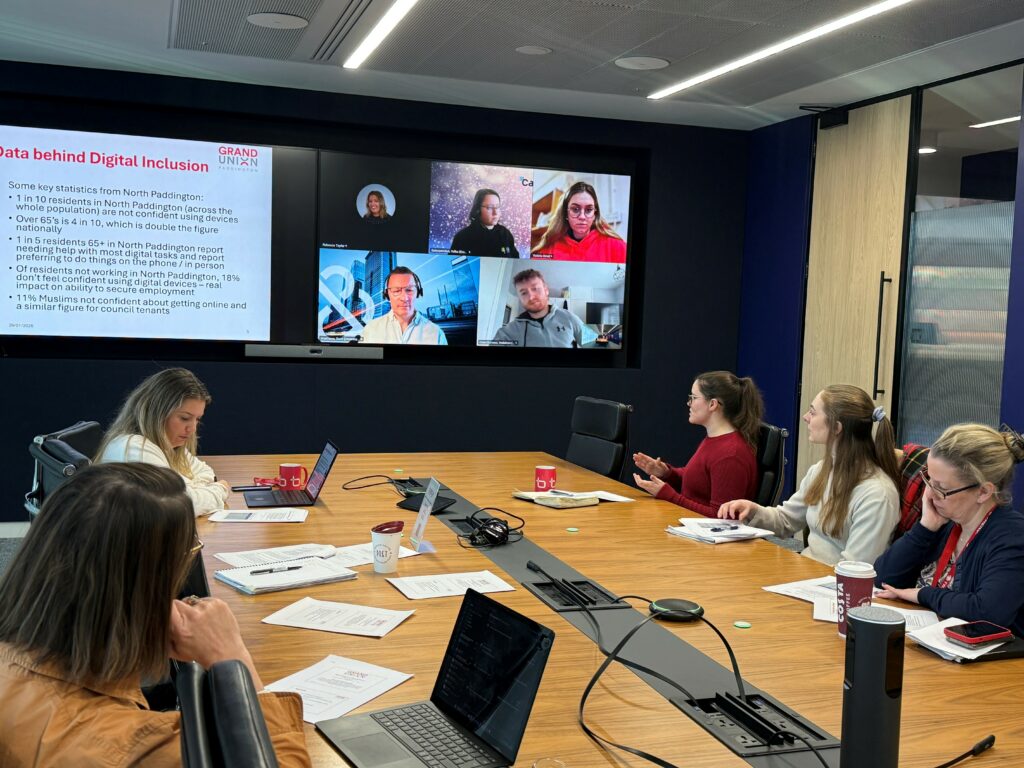
Our first meeting of the Digital Inclusion Network was held on Thursday 29 January and attended by colleagues representing six Grand Union BID members: Boldyn Networks, Capita, Dun & Bradstreet, Trend Micro, Virgin Media O2 and Vodafone.
The group explored the extent of digital exclusion in Westminster using data from Westminster City Council and insights from our school and community partners. BID members shared the great work they are already undertaking and made commitments over the next 12 months to:
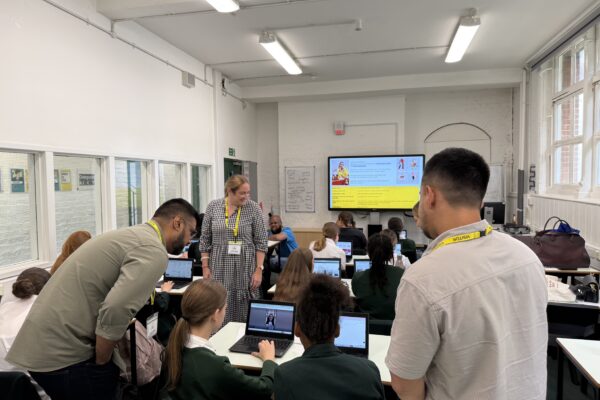
- Develop and roll out AI workshops in primary and secondary schools
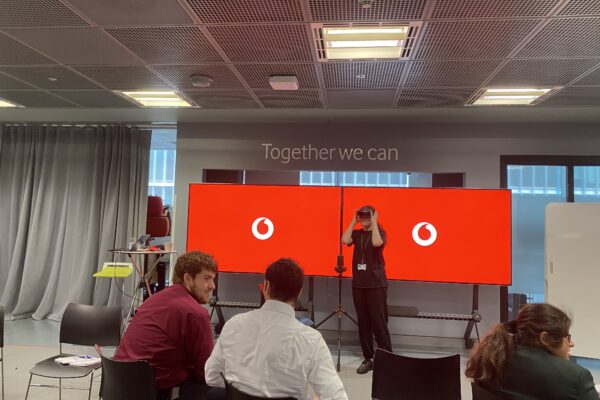
- Deliver digital literacy workshops for all skill levels
- Build cyber safety training packages and create a network of cyber security champions to support schools and community groups
The group will next meet in the spring. There is huge potential for what we can achieve and we would welcome colleagues from our other BID members to join the group.
Please contact us if you would like to send a representative to the next meeting or learn more about our plans.